Traditional Banks vs Crypto Exchanges: Why Nigerians De Dump Bank for P2P
Discover how high bank charges up to 9%, food inflation, and local cooperative fraud dey force Nigerians to move their money to crypto exchanges and stablecoins.
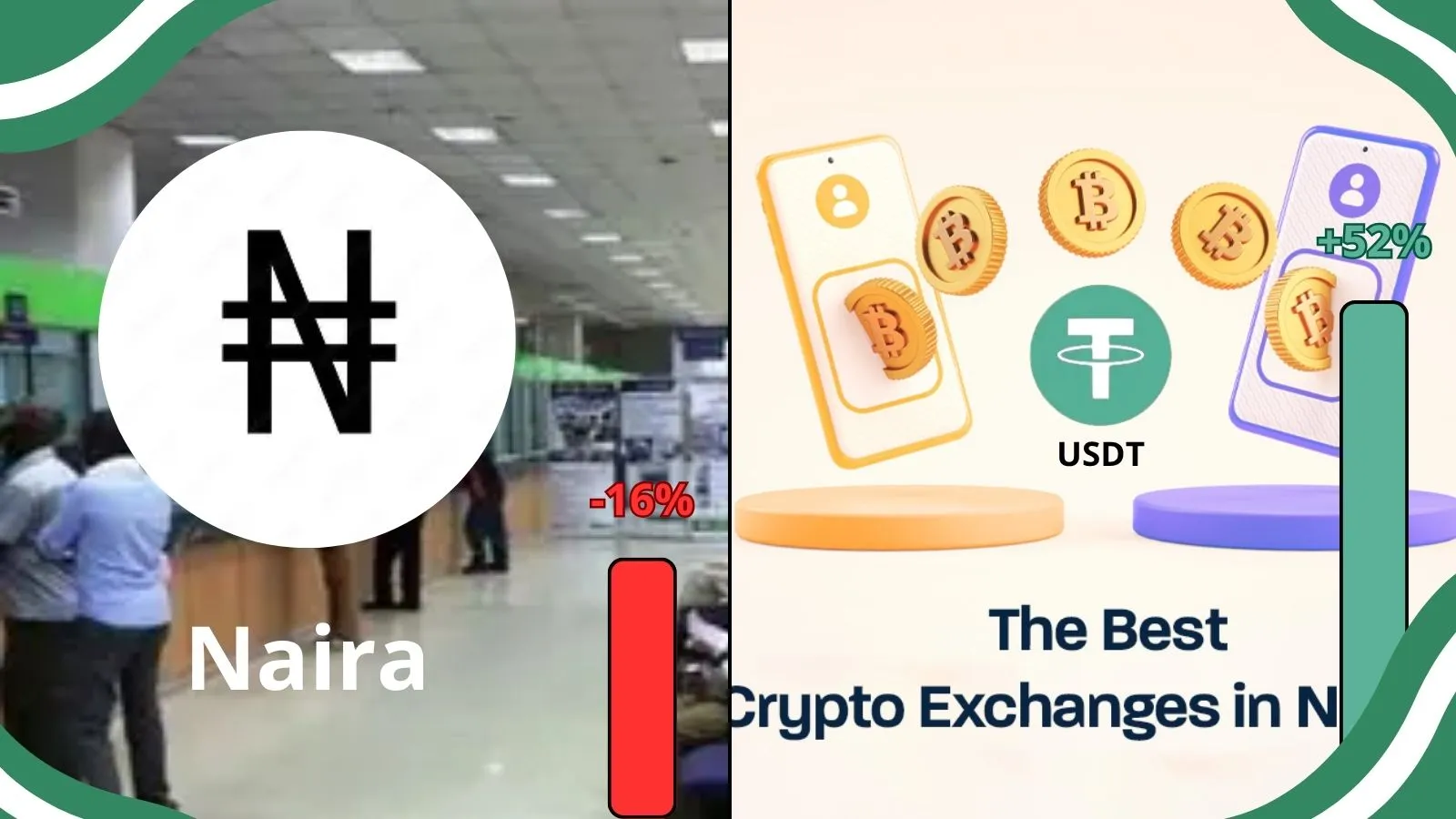
Traditional bank systems dey fail standard people when it comes to keeping money safe. For Nigeria, as food inflation dey high and bank network dey misbehave, plenty people don leave local bank apps to run their daily transactions inside Crypto Exchanges and P2P (Peer-to-Peer) networks.
If you want protect your money from continuous inflation or you dey look for global platforms with cheap fees to trade, using trusted global exchanges na the ultimate way forward.
💡 Sharp Guy Update: Avoid heavy bank charges and slow network. Open your account with the biggest global crypto platform today to trade with zero stress. Click this official partner link now to register and enjoy exclusive zero-fee bonuses on your first trades!
The Heavy Charges on Traditional Wire & Remittance
To send or receive money through traditional banks inside Sub-Saharan Africa don cost small fortune for average citizens.
- Late 2024: The average transaction fee for international remittance stood at 8.45%.
- Mid-2026: The price don high reach 9.00%.
Imagine say you wan send $100 back home from abroad, local bank and intermediate systems go cut almost $9 out of your hard-earned money.
Why Stablecoins (USDC/USDT) Dey Trend
Because of this constant billing, stablecoin channels don take over everywhere. By using highly efficient decentralized blockchain networks like Solana or Tron, cross-border settlement dey finish inside few minutes. The network fee? Less than $1.00 USD.
This alternative means about 80% reduction in total operational cost, ensuring your real funds land complete without stories.
According to the Consumer Price Index reports published by the National Bureau of Statistics (NBS) Nigeria
Structural Headaches for Local Banks
The issue with traditional finance no stop for international wire; e dey affect local corner-shops and family savings every single day.
- Massive Unbanked Population: Data shows say about 36% of the Nigerian adult population no get any single bank account, meaning they dey completely outside the formal financial system.
- The Collapse of Traditional ‘Ajo’: Since standard banking hard to reach, people don use local informal cooperative contributions (Ajo) for decades. However, inside urban areas, participation don drop by 20% because default rates and institutional collapse don reach 15%.
- Inside Fraud: To make matter worse, operational fraud from the managers of these local savings groups dey hit 15% among traditional groups, wiping out family savings overnight.
Next-Gen Solutions: Web3 and Smart Contracts
Since market no dey like empty vacuum, smart Web3 startups don build robust systems on top blockchain to replace old bank systems with transparent code.
- Digital Savings Imune to Human Fraud: Startups on top Web3 like KooPaa (built on top Solana blockchain) don mix smart contracts and USDC stablecoin to digitize the old Ajo style. Since code dey handle custody, zero human being fit run away with the cash, and e dey hedge against the 34% annual food inflation way dey wire the economy.
- Instant Cash-Out Tech: Services like Paj make swap between crypto assets and fiat Naira very smooth, cutting down everyday trade friction for traders.
- Securing Freelance Deals: Protocols like Nexus Escrow bring smart on-chain arbitration to protect local freelancers from international contract defaults, allowing them collect global payments without stress.
To access these tools and convert your stablecoins with the lowest spreads, you need solid infrastructure. Get the best rates for your capital by opening your account here today.
According to the World Bank’s Remittance Prices Worldwide report
Stay Safe: On-Chain Audit and Market Scams
Even though decentralized finance get massive potential, the fast migration plus lack of strict regulation mean say bad actors dey try setup fake schemes.
The biggest lesson come from the catastrophic crash of CBEX scam in 2025, a fraudulent platform way promised fake 100% returns. The platform chop money from thousands of savers across Nigeria and Kenya, causing loss of about 1.3 Trillion Naira.
How to Protect Your Wallet
This event don show everybody say no trust any platform blindly, always verify on-chain. Before you drop your money inside any app, make sure you check their Proof of Reserves (PoR) directly on top blockchain.
The sweetest way to avoid another CBEX experience na to trade only on global tier-1 exchanges way get public audited reserves and cyber insurance protection.
Conclusion: The Future Na Crypto
The reality for ground shows say crypto and stablecoins no be just for speculation again—na critical tool to survival and financial freedom. The tech efficiency of decentralized networks don win traditional retail bank channels completely.
If you ready to join this upgrade with maximum security, cheap fees, and transparent reserve audits, setup your official wallet now.
🎁 Crypto Trader Bonus: If you are preparing your portfolio for the next major crypto cycle, open your account today. Claim your signup bonus after your initial deposit and use it to reduce the cost of your first spot trades.